What Is a Stock? Understanding Shares in Simple Terms
9 September 2026
I remember sitting in a 300-level Economics class years ago, nodding along as our lecturer explained “equity instruments” and “capital markets,” and still walking out with no real idea what it meant to own a stock. It wasn’t until I opened my first brokerage account after graduation; nervous, curious, and honestly a little confused that the concept clicked. So, if you’ve ever heard people talk about “buying shares” and quietly wondered what that actually means, this article is for you. No jargon, no assumptions that you already know what a “dividend” is. Just a clear walkthrough, the way I wish someone had explained it to me.
What Does It Mean to Own a Stock?
When you own a stock, you own a small slice of a real company. Not a metaphorical slice, an actual legal claim to a piece of that business. If the company grows and becomes more valuable, your slice grows in value too. If it struggles, your slice loses value. That’s the whole idea in one sentence.
What Is a Stock (and What Is a Share)?
A stock is a unit of ownership in a company. When people say “shares,” they’re talking about the individual pieces that stock is divided into, so if a company’s stock is split into 1,000,000 shares and you own 1,000 of them, you own 0.1% of that company.
In everyday conversation, “stock” and “share” are used almost interchangeably, and that’s fine. The distinction that matters more is this: owning a share doesn’t mean you get to walk into the company’s office and start making decisions. It means you own a proportional claim on the company’s profits.
Companies sell shares through a stock exchange, in Nigeria, that’s the Nigerian Exchange (NGX), formerly known as the Nigerian Stock Exchange (NSE). Think of the exchange as a regulated marketplace where buyers and sellers of company shares meet, except it all happens electronically now, not on a physical trading floor.
How Do Stocks Work?
Here’s the mechanism in plain terms:
- A company needs money to expand, build factories, hire more people, or pay off debt.
- Instead of only borrowing from a bank, the company can sell shares of itself to the public. This is called “going public,” and it is called an Initial Public Offering (IPO).
- Investors, people like you and me buy those shares, effectively becoming part-owners.
- The shares can then be traded on the stock exchange, meaning investors buy and sell them among each other, and the price moves based on how much people are willing to pay.
Once a company is listed, its share price fluctuates every trading day depending on demand.
Why Do Companies Sell Shares to the Public?
Selling shares is one of the fastest ways for a company to raise large sums of money without taking on debt. A company doesn’t have to pay back the money it raises from selling shares the way it would a bank loan, instead, it shares future profits with the new shareholders.
This is also why “going public” is often a milestone moment for a company. It usually means the business has grown large and credible enough to meet strict regulatory and financial disclosure requirements. In Nigeria, this is overseen by the Securities and Exchange Commission (SEC).

How Do Investors Make Money From Stocks?
There are two main ways:
1. Capital appreciation (price increase). You buy a share at one price, and if the company performs well and demand for its shares rises, you can sell later at a higher price. The difference is your profit.
2. Dividends. Some companies share a portion of their profits directly with shareholders, usually paid out periodically. Not all companies pay dividends, some prefer to reinvest all profits back into growing the business, but dividend-paying stocks are popular among investors who want steady income alongside potential price growth.
For example, in early 2026, Nigerian Exchange Group Plc itself declared a dividend for eligible shareholders, with a payout ratio reported around 63% of earnings for that period, meaning a solid chunk of profit was passed directly to shareholders rather than reinvested.
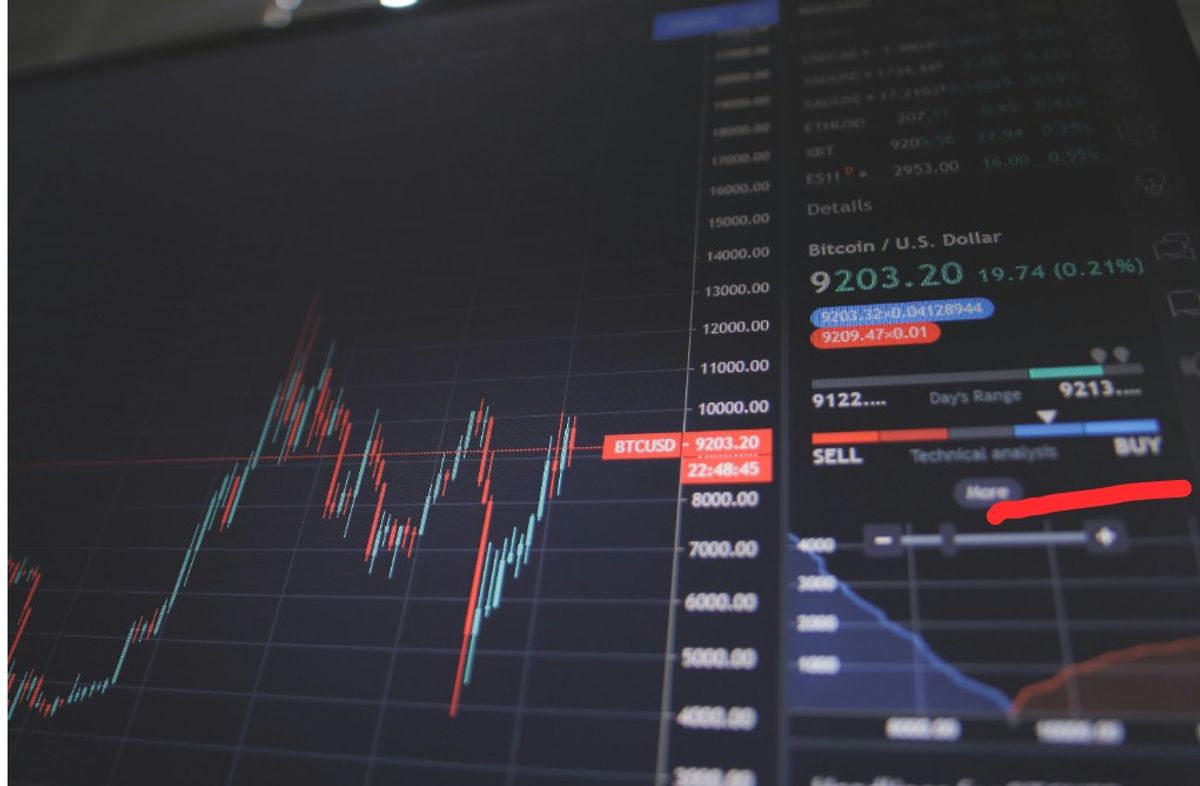
What Makes the Price of a Stock Go Up or Down?
Three big forces move stock prices:
- Supply and demand. If more people want to buy a stock than sell it, the price rises. If more people want to sell than buy, it falls.
- Company performance. Strong revenue, rising profit, and good management decisions tend to attract investors. Poor performance does the opposite.
- News and broader economic conditions. Interest rate changes, currency movements, government policy, inflation, and even global events can shift investor sentiment overnight, sometimes for reasons that have nothing to do with the company itself.
This is why the same “good company” can have a stock price that rises one month and falls the next, the market isn’t just pricing the business, it’s pricing collective expectations about the business’s future.
A Simple Example of How Stock Investment Works
Let’s say a company’s share is priced at ₦50, and you buy 100 shares. Your total investment is ₦5,000.
- If the share price rises to ₦70 six months later, your 100 shares are now worth ₦7,000. If you sell, you’ve made a ₦2,000 profit (before fees).
- If the company also pays a dividend of ₦2 per share that year, you’d receive an additional ₦200, regardless of whether you sell your shares or not.
- If instead the price falls to ₦35, your shares would be worth ₦3,500, a paper loss, unless and until you sell at that lower price.
This is the core rhythm of stock investing: value moves with the company and the market, and your gain or loss is only “locked in” once you actually sell.
What Are the Risks of Buying Stocks?
Stock investing is not a guaranteed win, and anyone who tells you otherwise is being dishonest with you.
- You can lose money. Share prices can fall, sometimes sharply, and there’s no guarantee your investment will recover.
- Market volatility. Some stocks, especially smaller or less-traded ones, can swing significantly in price within short periods. Even large, well-known Nigerian stocks have shown weekly price swings of high single digits in percentage terms during active trading periods, this is normal, but it means your portfolio value can look very different from week to week.
- Never invest money you cannot afford to lose. This is the golden rule of investing that experienced investors repeat constantly, and for good reason, money meant for rent, tuition, or emergencies has no business sitting in the stock market, where short-term value is never guaranteed.
Common Mistakes New Stock Investors Should Avoid
From my own early missteps and from watching other beginners, a few patterns show up again and again:
- Investing without research : buying a stock because a friend mentioned it, without understanding what the company actually does or how it’s performing.
- Panic selling : pulling out the moment prices dip, often locking in losses that would have recovered with patience.
- Putting all your money into one stock : concentration feels exciting when it works and devastating when it doesn’t. Spreading investments across different companies and sectors reduces this risk.
- Chasing hype : jumping into whatever stock is trending on social media without checking the fundamentals behind it.
Ignoring fees : brokerage commissions and other charges can quietly eat into returns, especially for investors who trade frequently.